
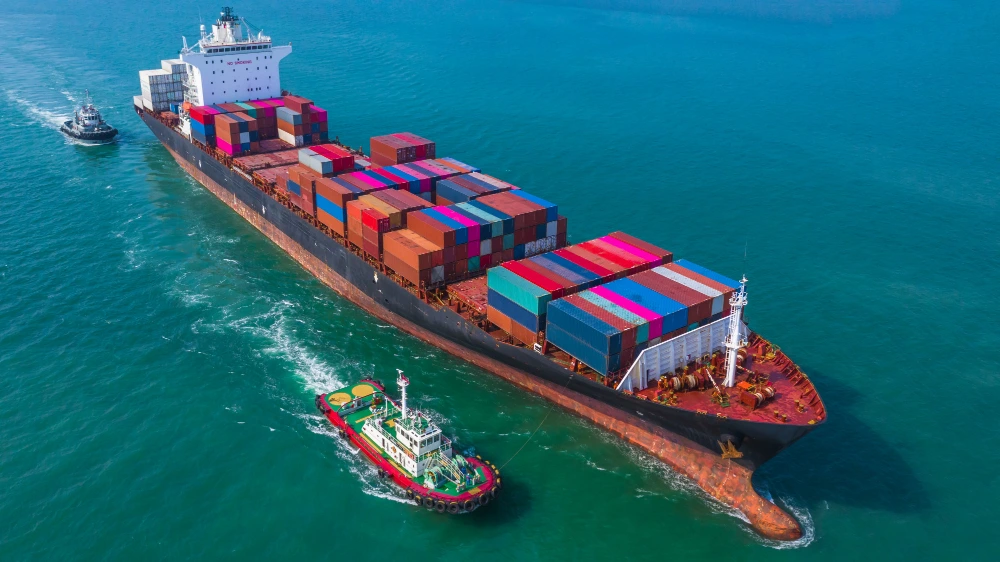
Understanding the Role of Ocean Freight in Global Trade
In today’s interconnected global economy, businesses rely on efficient and cost-effective transportation solutions to move products across international markets. Whether importing raw materials or exporting finished goods, choosing the right shipping method can significantly impact profitability and supply chain performance. Among the available logistics options, ocean freight remains one of the most reliable and economical methods for moving goods worldwide. From containerized cargo to oversized industrial equipment, sea freight helps businesses reach international markets while keeping shipping costs competitive. Understanding how ocean freight works can help importers and exporters make smarter logistics decisions and improve overall operational efficiency.
What Are Ocean Freight Services?
Ocean freight services involve transporting goods by cargo vessels across international waters, connecting businesses to global markets through established shipping routes and port networks.
Ocean freight is commonly used for:
- Consumer goods
- Electronics
- Industrial machinery
- Automotive parts
- Construction materials
- Agricultural products
- Raw materials
Businesses often choose ocean freight for transporting large volumes of cargo because it offers a more cost-effective alternative to air freight while providing access to global markets.
How Ocean Freight Works
The ocean freight process involves several stages:
- Cargo collection from the supplier or warehouse
- Transportation to the port of origin
- Export customs clearance
- Loading onto a cargo vessel
- Ocean transit
- Arrival at the destination port
- Import customs clearance
- Final delivery to the consignee
Most companies work with freight forwarders to coordinate steps and ensure trade compliance.
Types of Ocean Freight Services
Knowing different shipping options helps businesses choose cost-effective solutions.
Full Container Load (FCL)
FCL shipping means a shipper rents an entire container exclusively for their cargo.
Best For:
- Large-volume shipments
- High-value products
- Consistent inventory imports
Advantages:
- Faster handling
- Reduced risk of damage
- Better cargo security
- More predictable transit times
For example, a Georgia-based retailer importing furniture from Asia may use a dedicated 40-foot container to transport an entire shipment.
Less Than Container Load (LCL)
LCL lets multiple shippers share space in a single container.
Best For:
- Small businesses
- Lower shipment volumes
- Startups testing international suppliers
Advantages:
- Lower upfront shipping costs
- Greater flexibility
- No need to fill a full container
LCL transit times can be longer due to consolidation and separation steps.
Breakbulk Shipping
Breakbulk shipping is used for oversized cargo that cannot fit into standard shipping containers.
Examples include:
- Construction equipment
- Industrial machinery
- Wind turbine components
- Large manufacturing equipment
Roll-On/Roll-Off (RoRo)
RoRo vessels are designed to transport wheeled cargo.
Common cargo types include:
- Cars
- Trucks
- Buses
- Agricultural equipment
Vehicles are driven on and off the ship, making loading easier.
Why Ocean Freight Services Matter for Businesses
For many businesses, ocean shipping is the most practical way to move goods internationally without driving up transportation costs.
Cost Efficiency
A major benefit of Ocean freight services is affordability.
Compared to air transportation, ocean freight is much cheaper for bulk shipments, letting businesses save over time.
Large Cargo Capacity
Modern cargo ships can transport thousands of containers on a single voyage.
This makes ocean freight ideal for:
- High-volume imports
- Bulk commodities
- Industrial equipment
- Oversized cargo
Global Reach
Ocean freight networks connect virtually every major trading market worldwide.
Businesses can import and export goods between:
- North America
- Europe
- Asia
- South America
- Africa
- The Middle East
Environmental Advantages

While shipping still contributes to global emissions, it is generally more carbon-efficient than air freight when measured by emissions per ton-mile transported.
Many shippers invest in cleaner fuels and sustainability initiatives.
Common Challenges in Ocean Freight
Ocean freight also presents challenges that businesses should be aware of.
Longer Transit Times
Unlike air freight, ocean shipping prioritizes cost efficiency over speed.
Typical transit times can range from:
- 15–40 days from Asia to the United States
- 10–25 days from Europe to the United States
Inventory planning prevents stock shortages.
Port Congestion
Recent global supply chain disruptions have highlighted the impact of congested ports.
Delays may result from:
- Labor shortages
- High cargo volumes
- Weather conditions
- Equipment shortages
Customs Compliance
International shipments require extensive documentation, including:
- Commercial invoices
- Bills of lading
- Packing lists
- Certificates of origin
Errors can cause customs delays, fines, or holds.
Freight Rate Fluctuations
Ocean freight pricing can change based on:
- Fuel costs
- Market demand
- Vessel availability
- Global economic conditions
Regularly track freight trends when planning budgets.
Recent Trends Shaping Ocean Freight Services
The shipping industry continues to evolve as technology and market demands change.
Digital Supply Chain Visibility
Modern logistics platforms now provide:
- Real-time shipment tracking
- Automated notifications
- Digital documentation
- Predictive analytics
These tools help with better shipping decisions and customer service.
Sustainability and Green Shipping
The International Maritime Organization has established ambitious emissions-reduction goals for the shipping industry.
Many carriers are investing in:
- Alternative fuels
- Energy-efficient vessels
- Carbon-reduction technologies
Companies now consider sustainability when picking logistics partners.
Supply Chain Diversification
Many importers are reducing reliance on a single sourcing region.
This trend has encouraged businesses to explore suppliers in:
- Southeast Asia
- India
- Latin America
- Eastern Europe
Diversified sourcing reduces risk and improves resilience.
How to Choose the Right Ocean Freight Provider
Choosing an experienced logistics provider can make a noticeable difference in delivery reliability, cost control, and customer satisfaction.
Consider the following factors:
Industry Experience
Look for providers with extensive knowledge of international trade regulations and shipping procedures.
Global Network
A good network of shipping partners and customs experts can make shipping more reliable and flexible.
Technology Capabilities
Shipment visibility is increasingly important.
Choose providers that offer:
- Online tracking
- Automated updates
- Digital documentation management
Customer Support
Unexpected delays can occur in international shipping.
Responsive support resolves issues quickly and minimizes disruptions.
Many businesses rely on logistics providers such as Breeze Corp & Logistics to coordinate freight forwarding, customs processes, cargo transportation, and international shipping services.
How Strategic Ocean Freight Reduced Costs
A growing e-commerce distributor in Georgia imported home goods from manufacturers in Vietnam and China.
Initially, the company relied heavily on air freight to maintain inventory levels. While this ensured quick delivery, transportation costs significantly reduced profit margins.
After working with logistics professionals to optimize its shipping strategy, the company transitioned much of its inventory movement to ocean freight.
Results included:
- Lower transportation costs
- Improved inventory forecasting
- Higher profit margins
- More competitive pricing
Mixing FCL and LCL, based on demand, made the supply chain more flexible and cost-effective.
Best Practices for Importers and Exporters
To maximize the benefits of Ocean freight services:
- Plan shipments several weeks in advance.
- Maintain accurate shipping documentation.
- Know Incoterms and shipping duties.
- Monitor freight market conditions.
- Build buffer time into delivery schedules.
- Use shipment tracking technology.
- Partner with experienced logistics providers.
- Diversify suppliers when possible.
Businesses that plan ahead and maintain strong logistics processes are often better prepared to handle unexpected supply chain disruptions.
Frequently Asked Questions (FAQ)
1. What are Ocean Freight Services?
Ocean freight services involve transporting goods internationally by cargo ship through established shipping routes and port networks.
2. Is ocean freight cheaper than air freight?
Ocean freight is generally more economical for large, heavy, or bulk shipments, although transit times are longer.
3. What is the difference between FCL and LCL shipping?
FCL provides an entire container to a single shipper, while LCL allows multiple shippers to share container space.
4. How long does ocean freight take to the United States?
Transit times vary by origin but typically range from 10 to 40 days depending on route, carrier, and port conditions.
5. What documents are required for ocean freight shipping?
Common documents include a commercial invoice, a bill of lading, a packing list, customs declarations, and a certificate of origin.
6. What are the biggest risks in ocean freight?
Potential challenges include shipping delays, port congestion, customs issues, documentation errors, and fluctuating freight rates.
7. Can small businesses use Ocean Freight Services?
Many small businesses use LCL shipping to access international markets without paying for an entire container.
Conclusion
Ocean freight services play a vital role in global trade, enabling businesses to move products across international markets efficiently and cost-effectively. For importers and exporters in Riverdale, Georgia, ocean freight offers a practical solution for managing large shipments, controlling transportation costs, and expanding into new markets.
While ocean shipping presents challenges such as longer transit times and customs complexities, careful planning and the right logistics strategy can help businesses overcome these obstacles. Understanding container options, staying informed about industry trends, and working with experienced logistics professionals are key steps toward building a reliable supply chain.
As international trade continues to evolve, businesses that understand and leverage Ocean freight services effectively will be better positioned to compete, grow, and thrive in an increasingly global marketplace.
Comments